

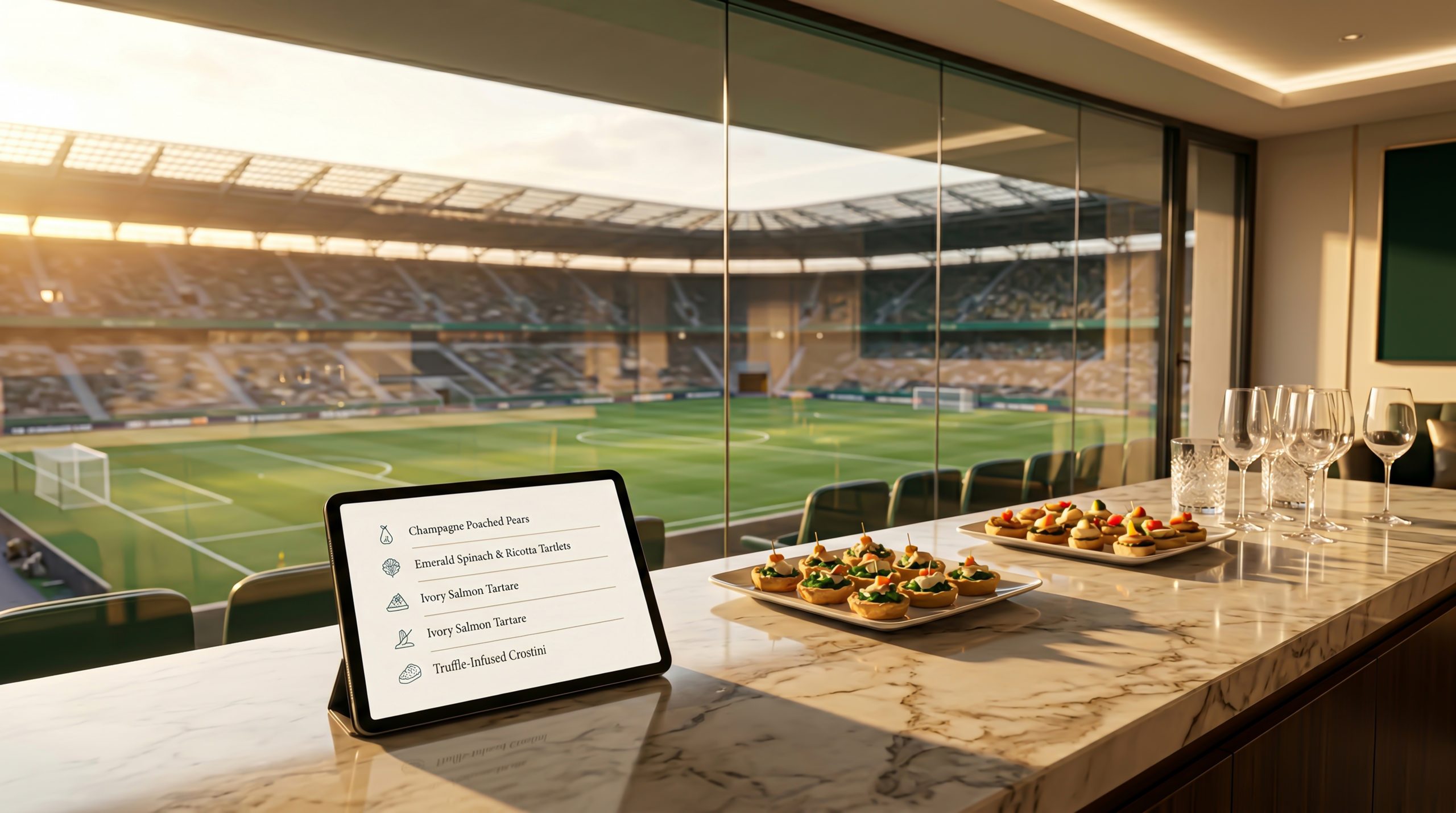
I recently checked out the price of some cricket hospitality tickets for the England v Pakistan Test match series and was impressed when the website asked if I wanted to be quoted for VAT exclusive or inclusive prices.
In other words, the club was keen to quote for the total cost of the event which, of course, depends on whether I can claim the VAT charged as input tax. The answer is ‘no’ – life is so unfair – but when might it be claimable? Or partly claimable? It is a good time to review the rules as the long summer nights are upon us, so here is a Q&A summary.
What is business entertainment?
Business entertainment in the VAT world relates to ‘free hospitality’ provided to a customer, supplier, business adviser, bank manager, accountant, employee, and so forth.
If a charge is made to the recipient, even if it is below the actual cost of the hospitality provided, it is not classed as business entertainment and has a different VAT outcome.
Entertainment includes the supply of food, drink, accommodation, admission to events and concerts, plus the hire of a business asset such as a yacht.
Can input tax be claimed on entertaining expenses?
The starting point is that input tax cannot be claimed on the cost of business entertainment unless it relates to staff. The entertainment of staff is classed as a motivational expense to encourage and reward productive and efficient work.
This makes sense.
However, there is a quirk with claiming input tax on entertaining staff; costs cannot be claimed if the purpose of staff attendance is to look after non-employees, ie, a hosting function.
| Example 1
Windwell Estate Agents has booked hospitality for 10 people in a box at Lords, the home of cricket, for a forthcoming day at the Test match. There will be four staff enjoying the event and six non-employees. The staff will have no hosting function and can enjoy a day watching India beat England and – to quote a favourite cricket supporters’ phrase – ‘enjoy a few bevvies.’ The cost of the box is £10,000 plus VAT. The business can claim £2,000 × 4/10 as input tax for the employees, ie, £800. The remaining cost of £11,200 will be debited to the entertaining account on the profit and loss account. |
| Example 2
Windwell Handbags has hired a box at the same match. The event will be attended by four employees and six customers but three of the employees are from the sales department and their function is to look after the customers and encourage them to place lucrative orders. The input tax claim is now £2,000 × 1/10, ie £200, relating to the employee who does not have a hosting role. |
Can the costs of entertaining overseas customers be claimed?
There is good and bad news but the bad news outweighs the good. Firstly, input tax can be claimed on any entertaining expenses that relate to overseas customers. So far, so good.
However, unless the hospitality provided is limited to basic food and drink, such as tea and sandwiches supplied at a business meeting, then output tax is payable on the value of the supply, which cancels out the input tax claim. It makes more sense to not claim input tax in the first place. C’est la vie.
What about business owners and directors?
It is wrongly assumed that input tax cannot be claimed on any expenses that relate to business owners or company directors but that is not strictly correct.
If an event is open to all staff, such as the office summer or Christmas party, then input tax can also be claimed on their expenses. It is events that are limited to business owners which create a problem. HMRC’s view is that entertaining provided solely to directors and business owners cannot be claimed.
| Example 3
Mary and John are partners in a florist business. They visit the Chelsea Flower Show each year and incur food, hotel and transport costs. The input tax here is not classed as entertainment because they are attending the show for business purposes, just like an accountant attending an exhibition about the latest accounting software available on the market. Input tax can be claimed and the costs will be debited to travel and subsistence on the profit and loss account rather than business entertainment. |
What if customers are charged for hospitality?
A VAT saving opportunity can be created by making a token charge to non-employees for their attendance at an event. The concept of ‘free hospitality’ has ended and input tax can be claimed on the related costs.
The downside is that output tax must be declared on the token charge, which is treated as being inclusive of 20% VAT. However, input tax claimed will exceed output tax paid. Happy days.
Can a charge be justified?
As the pièce de résistance of my article, I will give two big tips to justify making a token charge to guests at an event:
- Charitable donation:
a business could explain that a compulsory token charge is being made to guests so that a donation can be made to a local charity, ie, collect £12 including VAT from 10 people and donate £100 to a charity and pay £20 output tax to HMRC. As Del Boy Trotter from the legendary TV programme Only Fools and Horses might say: ‘Everyone’s a winner’.
- Encourage attendance:
it could be claimed – with justification – that a token charge is being made because it shows commitment on the part of the attendee, ie, to discourage any cancellations at the last minute. This technique was often used by tax and accountancy bodies organising CPD sessions; a delegate is more likely to attend if they have had to put their hand in their pocket, if only for a small amount.